

As the harvest moon approaches and peak season brings forth the glut of a season’s growth, Wasatch Community Gardens invites you to their Farm to Table Dinner on September 24th with Chef Liza Saracini of Florabelle for an evening of local food and community over a shared meal at WCG’s City Farm location (743 W. 1300 S.)
The menu will feature ingredients grown by WCG’s FIGS (Farm Incubator Group Site) participants– farmers in the new incubator program designed to provide resources, mentorship, and land access for small farmers to enter and stay in the field of agriculture.
The tragic dissolution of Green Urban Lunch Box (GULB) left a gaping hole in the local urban farming community. Access to land, knowledge and programming that teaches young growers how to steward the land became a figment of the community’s past, to the dismay of those who went through their training.
“I am a farmer because of GULB,” said Rachael Hall, a co-operator of Future Craft Farm. Through years of commitment and relationships fostered both with fellow burgeoning growers and the land, GULB supported young growers to launch their farming journey with structure and foundation long after they left the site. The closing of GULB left heavy hearts in the community.
But have no fear, Wasatch Community Gardens is here. FIGS, the Farm Incubator Group Site, has risen from the ashes to fill that hole on the 3-acre formerly GULB property in South Salt Lake. Owned by the county, the lease was transferred to WCG in order to keep the plot a preserved productive green space.
“GULB closing was so traumatic,” Hall said, “what I want out of FIGS is to heal my relationship with that specific land, to heal that soil, to heal myself.”
The program incubates, as the name suggests, young farmers and their budding small businesses. FIGS brings access to land, shared knowledge, resources to questions and concerns on best practices and obstacles they run into in the fields.
“The support from WCG with FIGS has been amazing,” Jason Faler, a FIGS grower, said. “With tools, with people you can reach out to with questions, there is a whole community of people who are amazing.”
“In the first couple of years of farming, there are going to be more mistakes and a lot of learning experiences,” AJ Johnson said, a FIGS participant and operator of Flower Boy Utah. “FIGS has given me a safe place to do that with a safety net below me.”
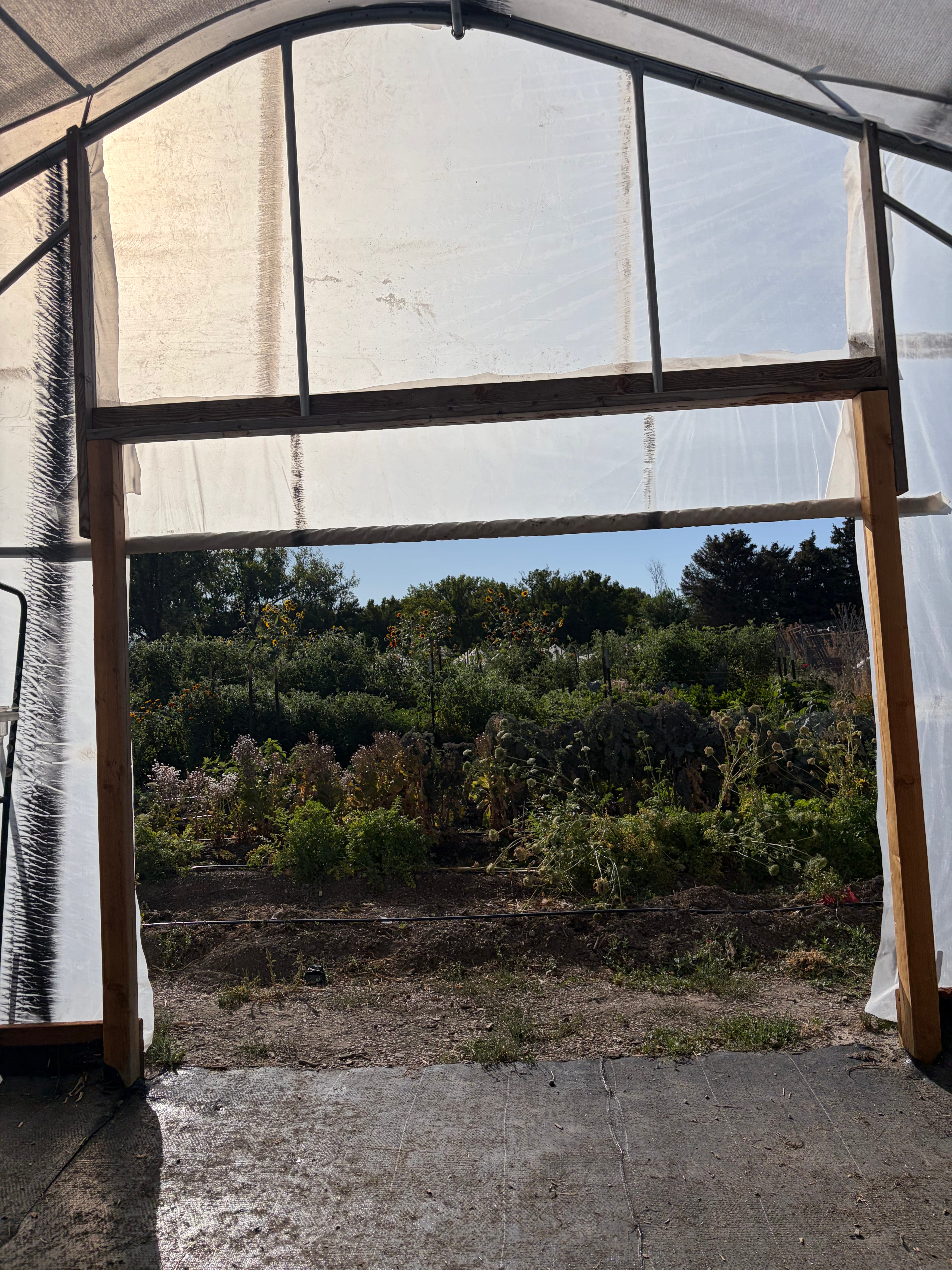
The FIGS site offers municipal water, cold storage infrastructure, shared farm tools, shared processing spaces, book learning forums and built-in community through WCG events, resources and faculty.
“Farming can be lonely sometimes,” Danielle Ringle said, a FIGS participant and operator of Ringleberry Farm, ”so to get to have farm neighbors around is really important.”
“To grow with other farmers who are also going through it and to hear what’s working for them, the collaboration is really amazing,” Johnson said.
As many young people, especially young growers, know far too well, access to land has become increasingly difficult as development and suburbanization take over once rural lands around our valley.
“If you don’t have generational lands,” Ringle said, “we already can’t buy houses, much less land.”
“As a new farmer,” Johnson said, “I don’t have a ton of capital or the ability to buy a huge parcel of land to farm. So FIGS has helped me get the business started without taking such a massive financial risk. It gives me an opportunity to be in a metropolitan area with a customer base.”
That initial customer base the participants begin building during their time in FIGS can follow them as the growers transition out of the program.
“I’m really hoping that these growers come out with a successful business that they can then scale up,” said McKayle Law, the FIGS program manager. “The goal is that people are gaining enough knowledge and experience here that it’s a stepping stone for them, and one they’re not taking as many risks as you would if you had to buy or start a farm. They can experiment and decide if they even really want to do this.”
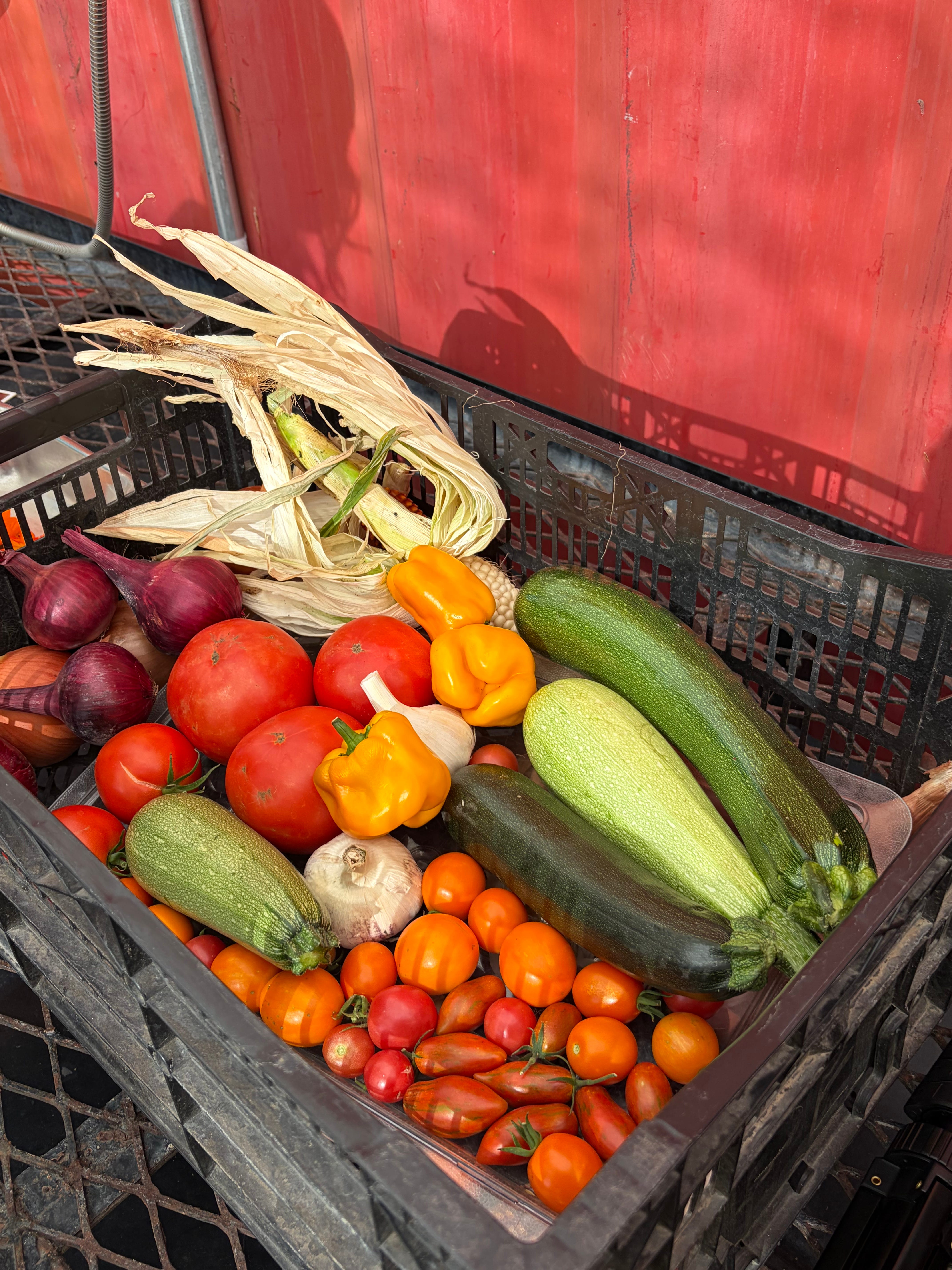
All the FIGS growers sell their produce, either to wholesale clients or at farmers markets around town, and it’s events like WCG’s Farm to Table dinner that puts the fruits of their labor to beautiful use.
Under the direction of Chef Liza Saracini of Florabelle, the dinner will feature a Mediterranean-meets-the-mountains inspired menu, with bright, fresh and allergy-conscious ingredients doing the heavy lifting. Sustainability is at the forefront of her ethos – sustainability of ingredients, sourcing locally and in season, as well as sustainability in the sense of work-life balance – keeping her integrity while making sure she does not burn out.
Inclusivity is also a major tenet of Saracini’s ethos. She has transitioned her menus away from relying heavily on common allergens as a way to make sure everyone at the table feels seen.
“I try to take allergens out of the equation so we don’t put someone in a position where they could feel uncomfortable because they have this possible health issue. I try to think about those things ahead of time so that they can enjoy the dinner and feel included.”
Her blue zone attitude will drive her new-wave modern American style dishes for the dinner, spotlighting the bright, colorful and nutrient-dense ingredients from FIGS growers.
“This dinner is about highlighting what the farmers do, what the garden is all about,” Saracini said. “Being really intentional about what ingredients are we using? Is there a story behind that?”
The food will be purchased from the FIGS growers to support their business, and all proceeds from the dinner will go to investing in a brighter, more localized, and sustainable future.
.